
Wadjet Eye Games have delivered us over the years many great games both as creators and distributors. This year marks a great anniversary for the company of twenty years. We saw this as a great opportunity to talk to the founder of the Studio, Dave Gilbert to remember some of their greatest brands and learn what will they bring us in the future.
Since Wadjet Eye Games is celebrating its twentieth anniversary, let’s go back to the very beginning. How did The Shivah and those early projects eventually lead to the creation of Wadjet Eye Games? Was there a particular moment when you decided to pursue game development full-time?
This is going back to 2006. I had spent the last five years making freeware games in my spare time. I was at a point in my life where I in-between jobs, but needed something to fill my time. There was a month-long jam event on the AGS forum and I decided to take part. So I made The Shivah! By the time it was over, I realized that I couldn’t envision doing anything else. It seemed crazy, but I decided to give the full-time gamedev thing a try. So I took a bit more time and added the voice acting to the game, plus got the music and graphics overhauled a bit, then I sold it for actual MONEY. I wish I could say it was a smash hit, but it wasn’t. It sold enough to pay a few bills, and it was reviewed well enough to make me believe that it was worth continuing, so I kept going.
Which were the games that made you passionate about making point-and-click adventures?
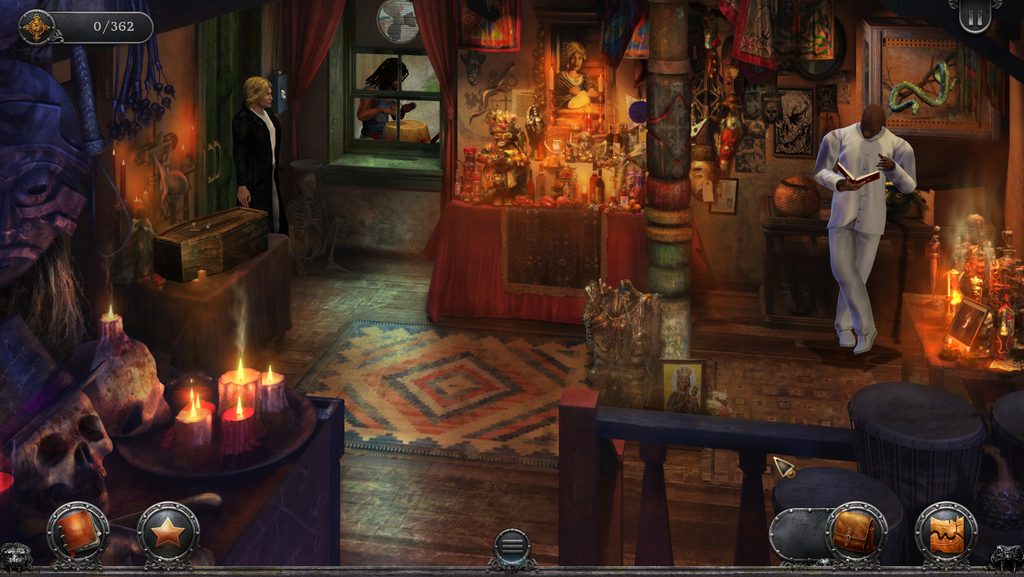
Too many to mention. Like many, I was inspired by the Gabriel Knight series. The way they effortlessly merged real-world history and the supernatural was just so engaging I wanted to make a game that evoked the same feeling. When working on Blackwell I wanted to do for New York what Gabriel Knight did for New Orleans. Another inspiration was Discworld Noir. The „clue combining“ mechanic was so brilliant and so perfect for a mystery adventure game that I’m amazed more people haven’t copied it. I seem to be the only one.
What kind of games do you enjoy playing these days? Has your taste in games changed much over the years?
My tastes are all over the place. I’ve gotten into base-building style games. There’s something really satisfying about building up a home base and maintaining it. The Alters was my gateway drug into those, and for a few months I was REALLY addicted to Satisfactory before I had to uninstall it and remove it from my Steam library out of pure self-defense. That one is addictive.
When you started Wadjet Eye, what did you think would be the hardest part of running an independent game studio — and what actually turned out to be the hardest?
Hmm. This is a toughie. When I started, I thought the hardest part would be selling the thing. Getting noticed, making sales, that kind of thing. And I was right. Just making the games is step one of the process. Getting your name out there and KEEPING it out there is a full time job, and it just gets harder as the market gets more and more saturated. Back in 2006, the difficulty was getting anyone to take you seriously as an indie. Now in 2026, the difficulty is just getting noticed at all because there are just so many games. Plus there are fewer and fewer game journalists.
We knew from the beginning that Blackwell was going to be a series. But did you have the whole story, including the ending, planned out from the start, or did the story evolve and change as you worked on each game?
Haha. Yes and no. I always knew how the series would end, and had a bunch of story beats I wanted to hit along the way, but a LOT of that changed as I grew as a writer and developer. So the destination remained the same, but the journey getting there constantly shifted. I optimistically thought I could pull off about ten games, releasing one or two a year. I managed to get the first one out in four months, but only because I barely left my desk and went days without sleeping. I would NOT recommend this approach to anyone, as I completely burned myself out when I was finished. Each game took progressively longer to complete as I got more ambitious and more confident with the tools and my own ability. Eventually I decided I wanted to move onto other things, so I ended it at game #5.
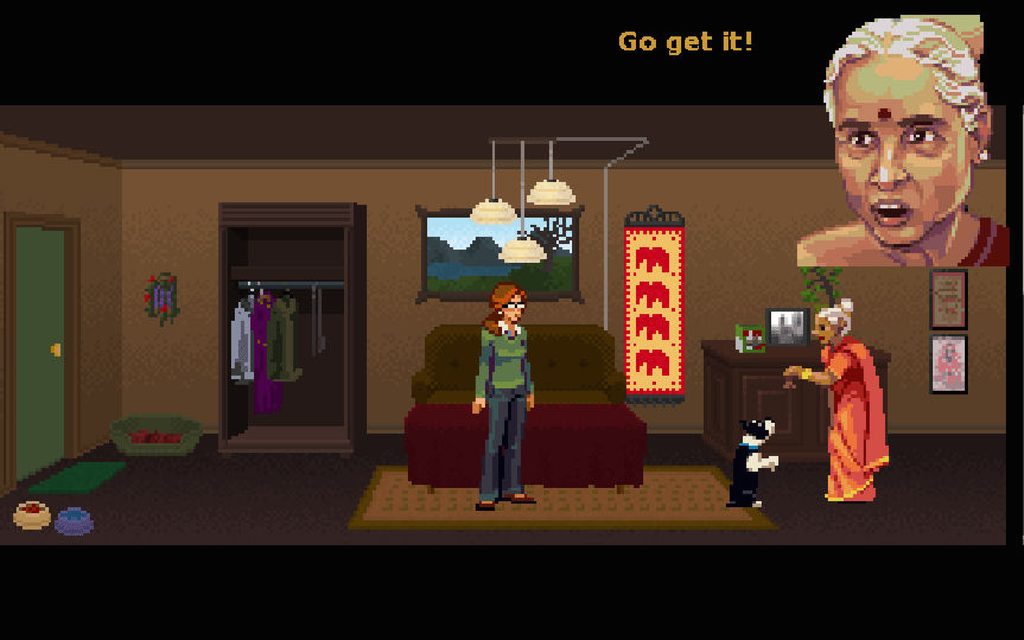
Blackwell Unbound was originally meant to be a series of flashbacks within The Blackwell Convergence, but you eventually expanded that material into a standalone game. Do you think turning it into a separate game changed the way you approached Lauren’s story?
Oh yes. The creation of Blackwell Unbound has always been fascinating to me. Like you said, it was originally supposed to be a series of small flashbacks within another game, but I decided to cut them for time. Then I found myself in a position where I was running out of money and needed to create something really fast. I had those cut flashback bits already designed, so I took those and made a small game out of them. I made that game super quickly and super cheaply. I only made it out of purely capitalist reasons. And yet… Lauren Blackwell became a character truly special to me and most fans list that installment as their favorite one. There’s a lesson in there somewhere.
Are there any of your existing games or characters that you feel still have stories left to tell? Has there ever been a character you found particularly interesting and considered giving their own spin-off or own game?
Oh man. Too many. I would love to return to the world of Unavowed because I adore those characters, but I have yet to come up with an idea that I feel really compelled to make. Maybe one day!
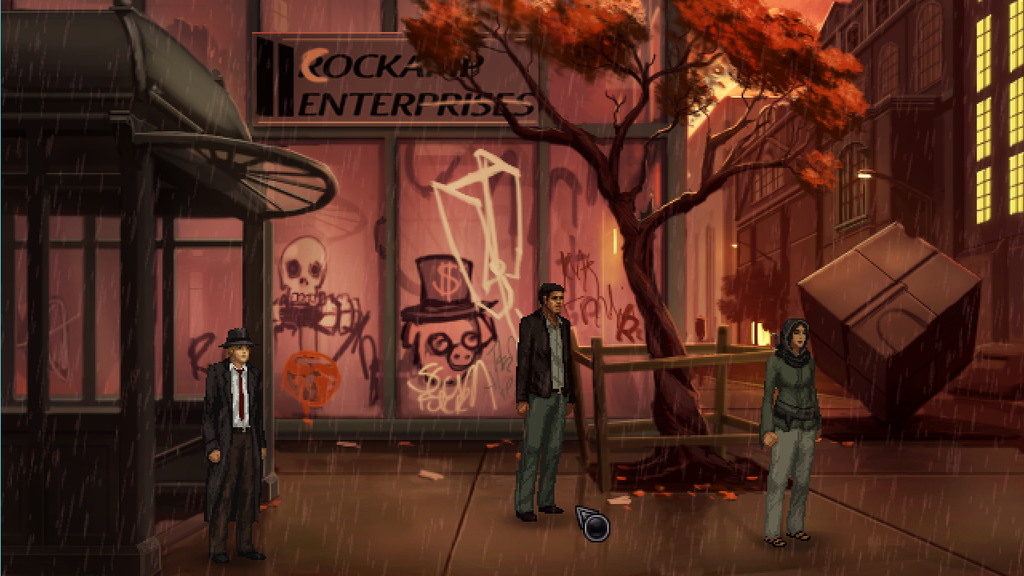
Emerald City Confidential is quite unusual in the history of Wadjet Eye Games, since it was commissioned and funded by PlayFirst rather than being a Wadjet Eye-owned IP. Did that experience teach you anything about the kind of creative freedom you wanted for Wadjet Eye going forward?
Yes and no. I adored the folks at PlayFirst, but I think we all can admit that the game they hired me to make wasn’t really the game they wanted. They were hoping for a game more suited to their casual audience and I assumed they wanted a higher-budgeted version of my usual adventure games. When we put the game in front of their casual tester group and they didn’t understand it at all, we all kind of panicked and tried to course correct. I had no experience in the casual market, so I didn’t push back on any of the changes they requested to make the game more „casual friendly.“ The game ended up being a bit compromised as a result. It was still too complex for the casual players, and it was too handholdy for the adventure game players. I’m still proud of that game (I never would have been able to make a game like that on my own), but if I ever worked with a publisher again I would make sure that we are both on the same page regarding what we both want and expect.
The Rebirth and The Reaper were small games created by Francisco Gonzalez and Ben Chandler before Shardlight became a full-fledged project. Was that the moment when you realized that the two of them could become a creative team capable of carrying a full Wadjet Eye game?
I’d known them both for a long time! I was already working with Ben, and I had published one of Francisco’s games already (Golden Wake). I trusted both of them enough to know they would deliver.
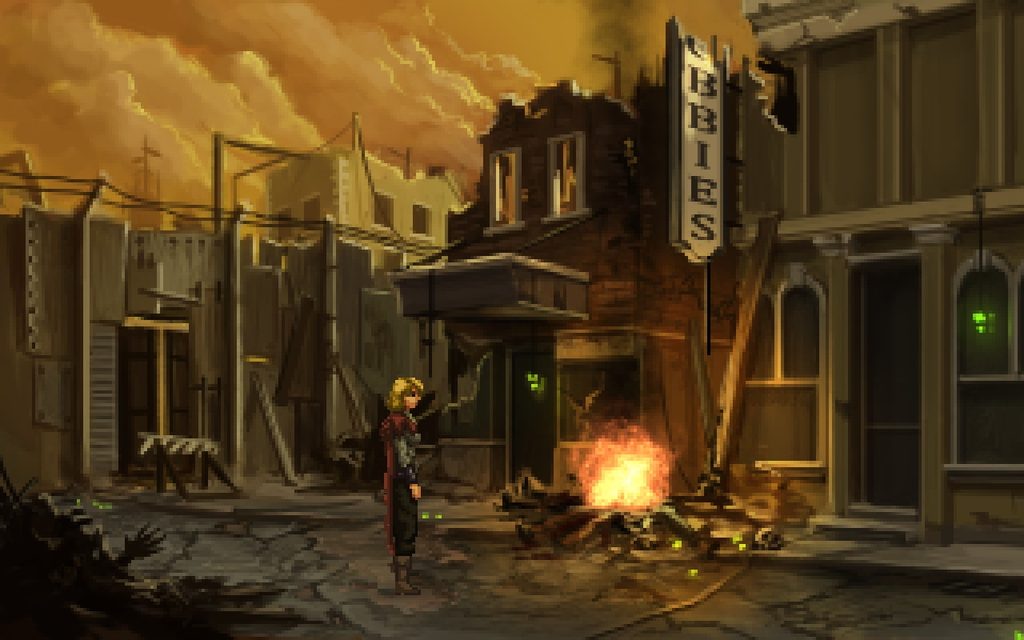
In 2010 you also became a game publisher. What made you realize that publishing other developers‘ games could be as important to Wadjet Eye as making your own games?
After I’d released a few games, I realized that we were living game-to-game and if we had one major flop I was basically done for. Since I was in the midst of working for a publisher, I wondered if I should try being a publisher myself to spread out the risk. At the time I was working with Erin Robinson on Blackwell Unbound, and earlier she had developed a cute freeware game called Nanobots. Having taken a few steps into the casual market, I hubristically thought I knew what casual audiences wanted. Cute pixel art games were very popular at the time and I thought a glossier version of Nanobots would be a surefire winner. So I spoke to Erin about it and she agreed to write and produce a game for me which we called Puzzle Bots. I am ridiculously proud of that game – you control five tiny robots with different abilities as they navigate a bizarre toy factory – but alas the „casual market“ had moved on by the time we finished it. The cute pixel art games were no longer the popular thing. The gritty hidden object games were the new hotness. It taught me a valuable lesson about trying to figure out what was popular. If huge companies with millions of dollars to burn couldn’t figure that out, than I didn’t have a prayer. So from then on I decided to focus on making and publishing the games I wanted to see made. It’s a philosophy that’s served me well ever since.
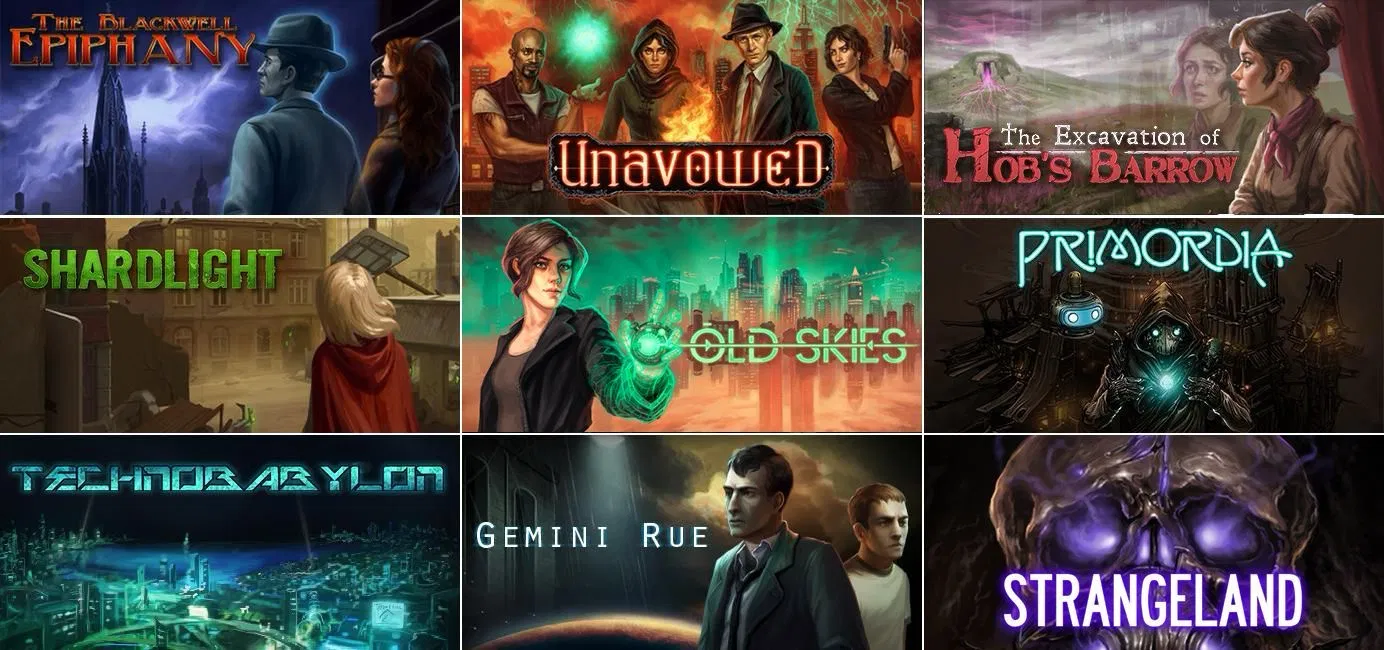
Over the years, Wadjet Eye has published games from many different developers, from Gemini Rue and Primordia to Technobabylon and The Excavation of Hob’s Barrow. What is it that makes you look at a game and think, „This is something Wadjet Eye should publish“? And conversely, what is something that would make you turn a promising project down?
The games we publish tend to fall under the umbrella of „Dave likes this.“ Honestly there’s never a rhyme or reason to why I’ll agree to publish something. It catches me on the right day, I have time free because I finished a project, or simply because I want to tackle the voice acting. I’d become friendly with a number of British voice actors, so when I saw Hob’s Barrow I was chomping at the bit to cast and direct it. I suppose there are worse reasons to sign a publishing deal!
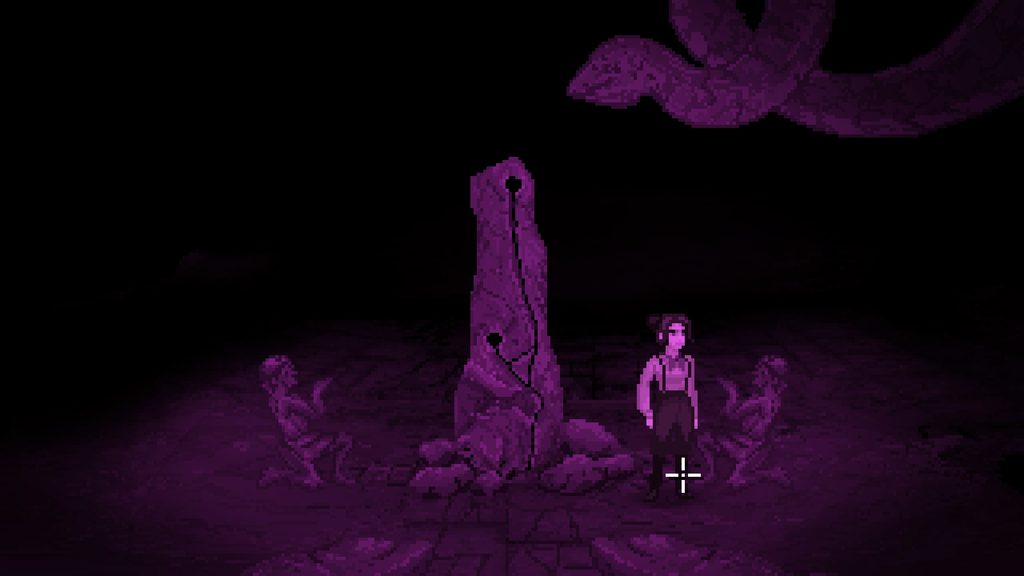
Technobabylon was a small freeware episodic project by James Dearden, and when Wadjet Eye came on board, the game was transformed into a full-length commercial adventure. What did you see in those early episodes that made you believe the project could become something much bigger?
Honestly? I’ve never played the freeware episodes! James demonstrated the in-progress commercial revamp at AdventureX in 2013 and I fell in love with it instantly. I spoke to him about it and it turned out he had hired Ben Chandler to do the art. I was considering hiring Ben full time anyway, so the timing felt very serendipitous. The rest is history.
After publishing so many games from other developers, was there a game that surprised you in a way you didn’t expect?
Oh man this is impossible to answer. I don’t agree to publish a game unless I like it, so there’s something that surprises and delights me about EVERY game I do. I suppose if I had to pick one, it’s seeing both Samantha Béart and Sally Beaumont becoming BAFTA Breakthroughs due to their work in our games (Hob’s Barrow and Old Skies). That a prestigious institution like Bafta took notice of our little games enough to recognize their work was such an honor. I’m super proud and happy for both of them.
After twenty years of publishing other developers‘ games, is there a game you passed on that you still regret not taking a chance on?
Honestly? Not really. There are a few that I said no to that ended up becoming really successful (Kathy Rain, being one), but all that meant was that I could be a happy consumer of the game. I don’t need to publish ALL adventure games, after all. I can be content with merely publishing most of them.
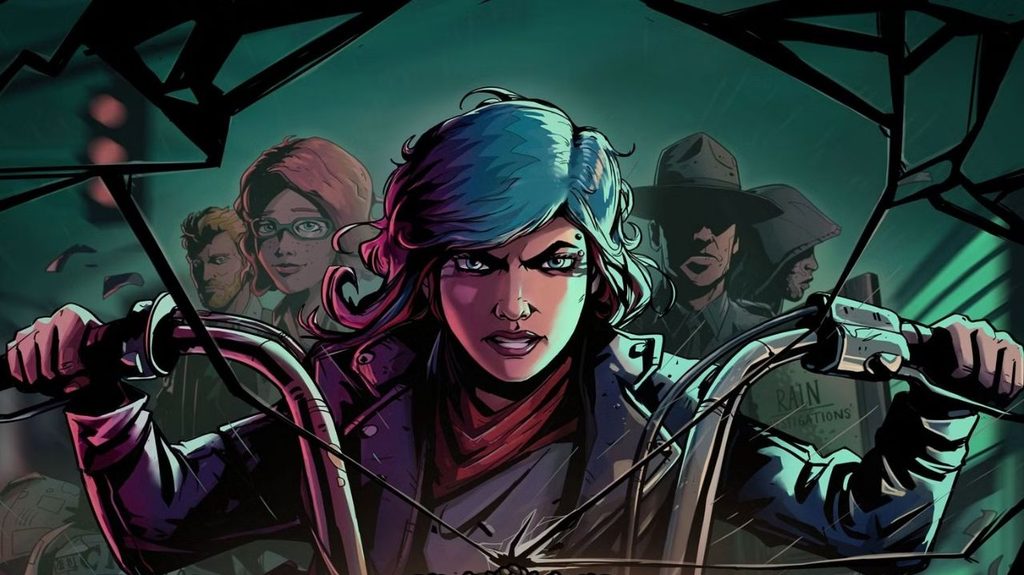
You’ve talked about taking the party-based storytelling you loved in BioWare games and making it the core of Unavowed as a point-and-click adventure. Looking back now, was there anything about that idea that turned out differently from what you originally imagined?
It turned out pretty much exactly that way I wanted! The most surprising thing about it was that we pulled it off. I wasn’t sure we could.
One of the most interesting things about Unavowed is how you turned what could initially seem like a limitation — having a silent protagonist — into an important part of the story itself. When did you realize that the silent protagonist could actually become a key part of the game’s central mystery, and how did that idea change the way you approached the story?
It took me by surprise as well! That central mystery kind of formed itself halfway through production, when all the story beats I’d set up lined up and my brain went „HEY YOU KNOW WHAT COULD REALLY WORK WELL??“ Until that point I wasn’t sure how the game would end, but then I had that epiphany moment and everything just fell into place. I live for moments like that.
Your latest game, which I actually played and reviewed, was Old Skies. It was very interesting to see the butterfly effect in the game in action, especially in the part with Pye Sycamore’s painting and the arguing CEOs. Do you believe that small changes can truly lead to big moments?
When I think of all the events in my life that had to line up JUST PERFECTLY so I’d end up where I am now… well, it’s terrifying to think about. I bounced around various careers, hobbies, relationships, etc for years before I ended up with THIS job, THIS family, and THIS life. I wouldn’t be who I am without those experiences. So yes, anything small can lead to anything big. There’s no way to know what those will be, but life would be very boring if we did.
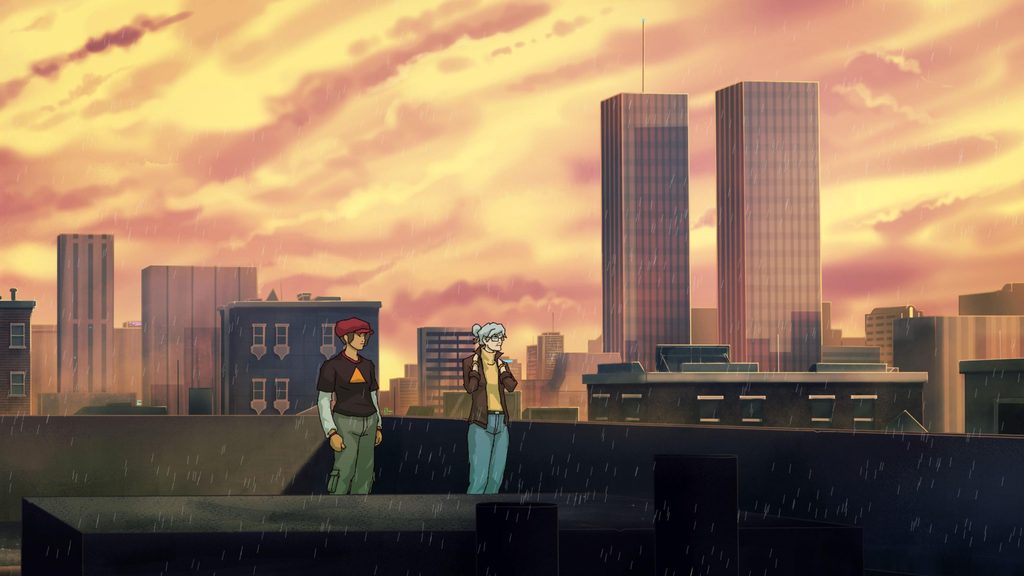
And honestly, if you were an Old Skies time agent, would you actually risk looking at your alternate futures?
Like Fia and Duffy, I don’t think I could resist.
When you look at all your games now, do you see a common thread in your writing and design that you weren’t consciously aware of when you started?
I’ve been told that there’s a reoccurring theme of melancholy and acceptance in a lot of my games. A sense of making the best of what you’ve got. We can’t always choose the life we get, but we can choose how we act within that life. I guess I kinda see it? It’s not a conscious decision!
You’ve been making and publishing point-and-click adventures for almost two decades. What do you think today’s adventure games understand about the genre that games in the 90s didn’t — and is there anything the 90s got right that you feel we’ve lost?
I think that modern games exhibit a more mature attitude than we did in the 90s. We no longer ask ourselves if video games can be art, or a medium for telling moving stories that can move people emotionally. We KNOW that. We don’t have to prove it. So modern devs can just… do that, without having to make a big thing of it. The barrier to entry is also much lower, which opens the floodgates to so many kinds of games. The downside is that it opens the floodgates to too many games in general, but that’s another discussion.
You’ve voiced characters in quite a few Wadjet Eye games yourself. Has doing voice work changed the way you write or design characters, knowing that eventually you’ll have to hear someone perform those lines?
Sometimes I give myself a tiny cameo in a game. Usually a thug or something that attacks the player (the game’s publisher killing the player is something I find weirdly funny). That said, I always write dialog with voice acting in mind. Getting the games voices is the reward for reaching that far in the production process. Often I will re-write lines on the fly after hearing an actor say them. It’s very much a collaborative thing!
Is there a voice actor you’ve always wanted to have in one of your games but never had the chance to work with? If you could cast anyone for your next game, who would be your dream choice?
I would love to work with Dominic Armato one day! We’ve even talked about it. But unfortunately he’s union and I’m not at that level yet. That said, I’ve worked with so many actors over so many projects that I have an amazing roster of actors I can call for just about any project I’m involved with. The only problem is that there are never enough roles for everyone. I love working with them all.
Twenty years in, what do you want the next chapter of Wadjet Eye Games to look like?
Honestly? I just want to CONTINUE! The whole industry has been so volatile lately, and it’s affecting everyone. Even small indies like me. The hammer hasn’t fallen yet but I’m always on the lookout for it. I love doing this, and I don’t want to do anything else. If the next twenty years are just like the previous twenty, I will be very happy.
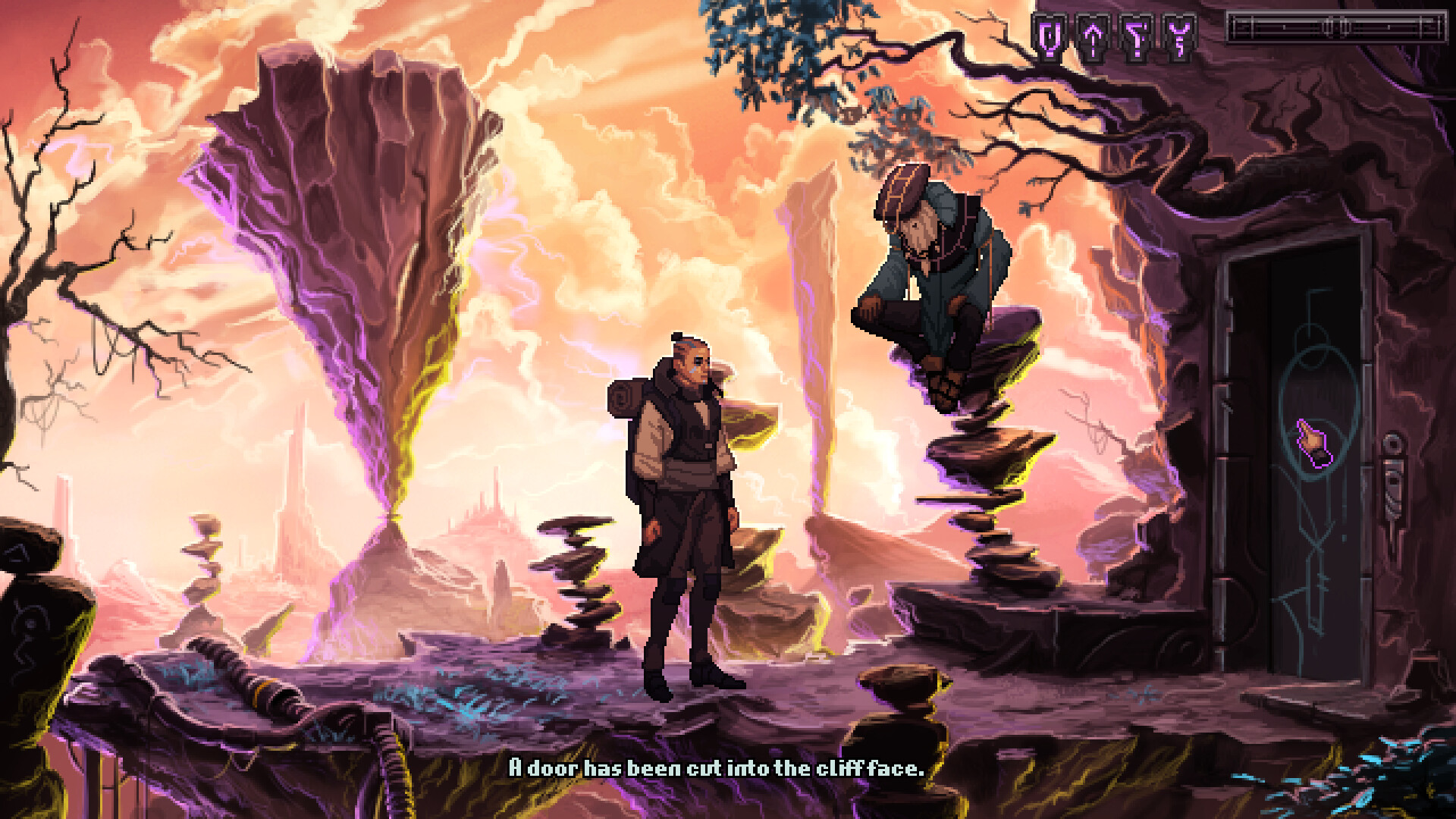
Are there any upcoming projects you can tell us about — or at least give us a hint about?
There’s Ben Chandler’s project, a sci-fi fantasy called „Gilt!“ He asked to spearhead the next Wadjet Eye project and he has more than earned that. He’s been working on it for the last year and it is looking magnificent. I can’t wait to talk about it more. But besides that, we’ve taken on a LOT of projects for publishing but we’re not in a position to reveal them yet. Hopefully soon!
Thank you very much for your time and we wish you all the best in the future. May there be more great point and click adventures coming our way thanks to people like you. 🙂
Aw. Thank you so much! And apologies for taking forever to get these to you.